 |
 |
 |
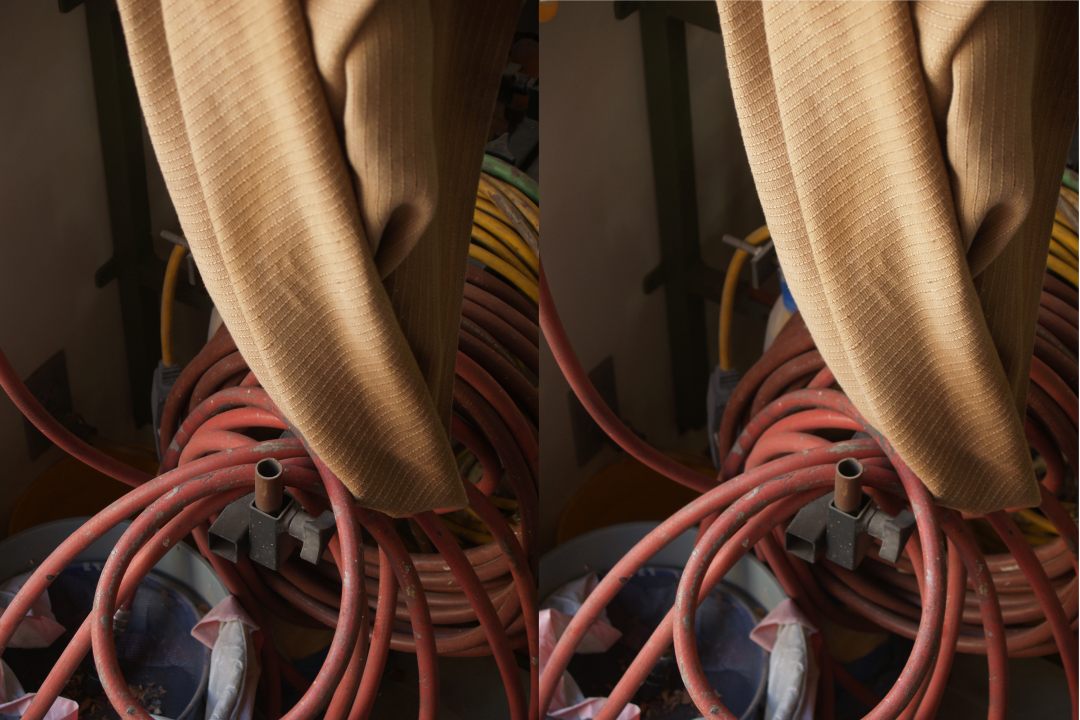
| Studio Hose and Drape San Leandro, CA 2014 |
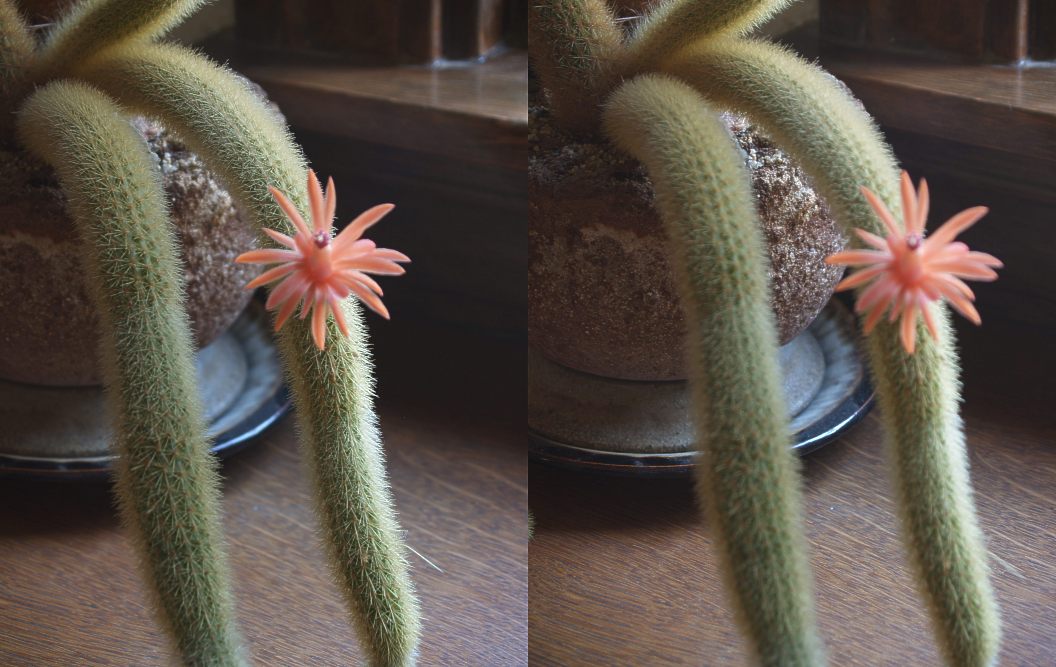
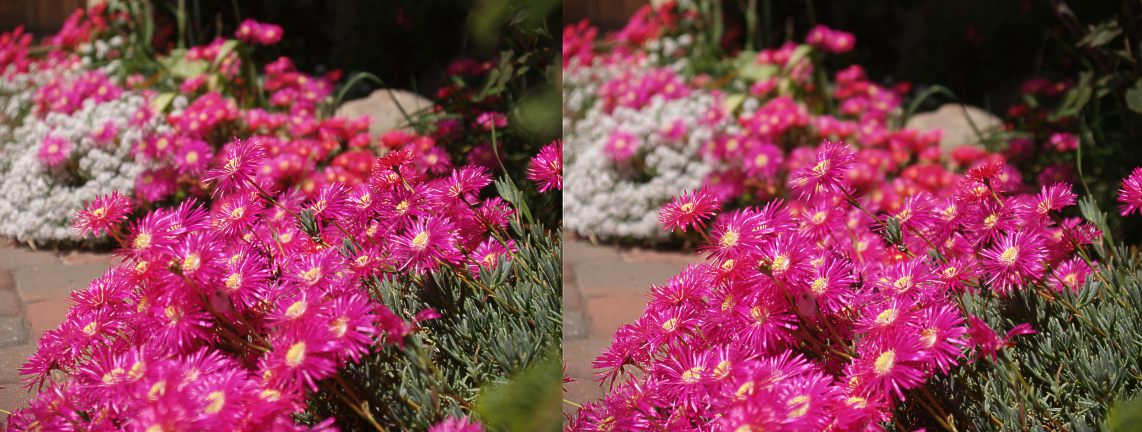
Window Cactus Flower San Leandro, CA 2014 |
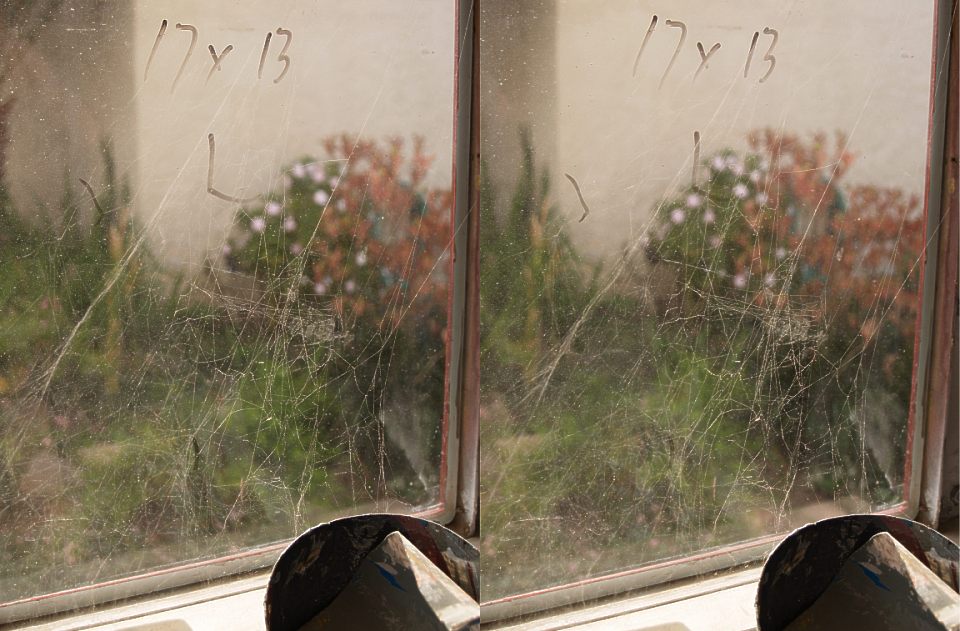
13 X 12 San Leandro, CA 2013 |
Selected
Experiments in 3D Stereo Photography
|
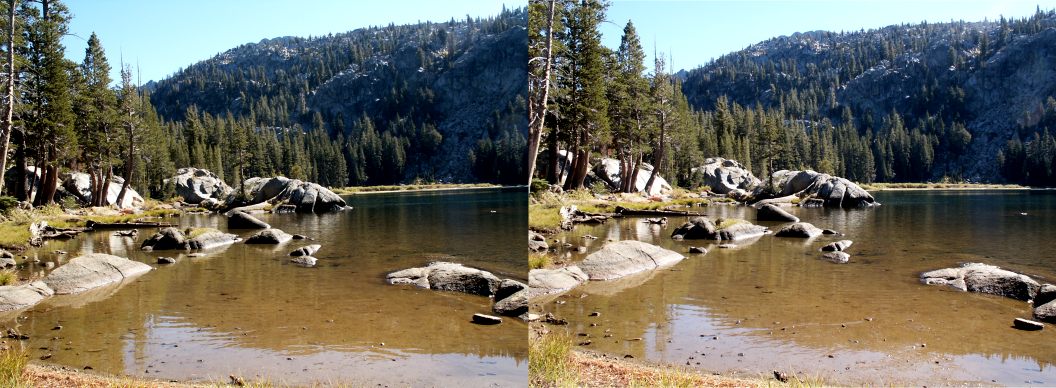
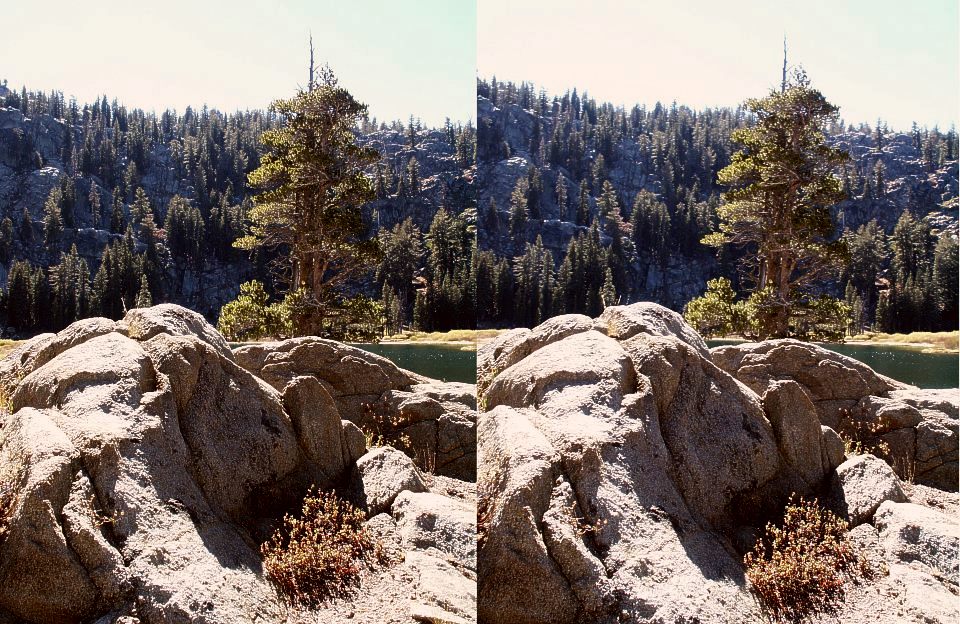
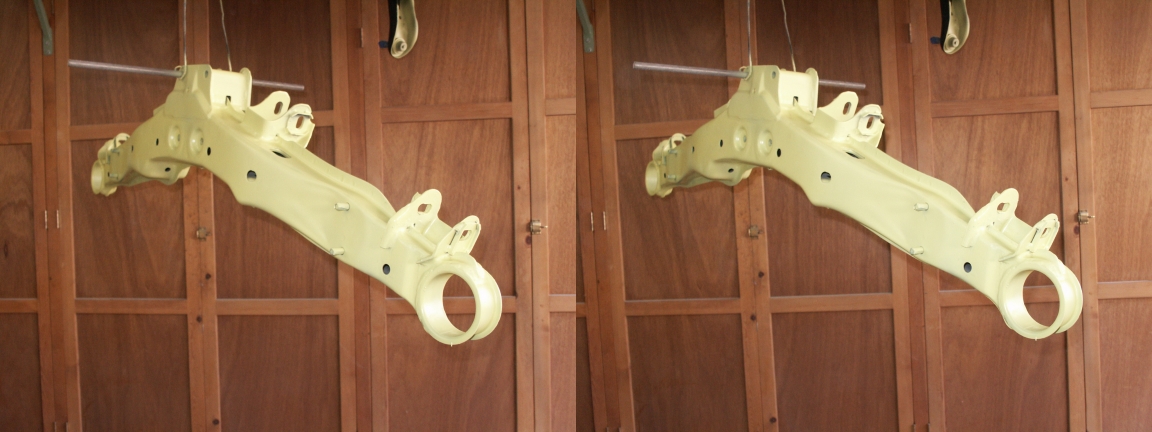
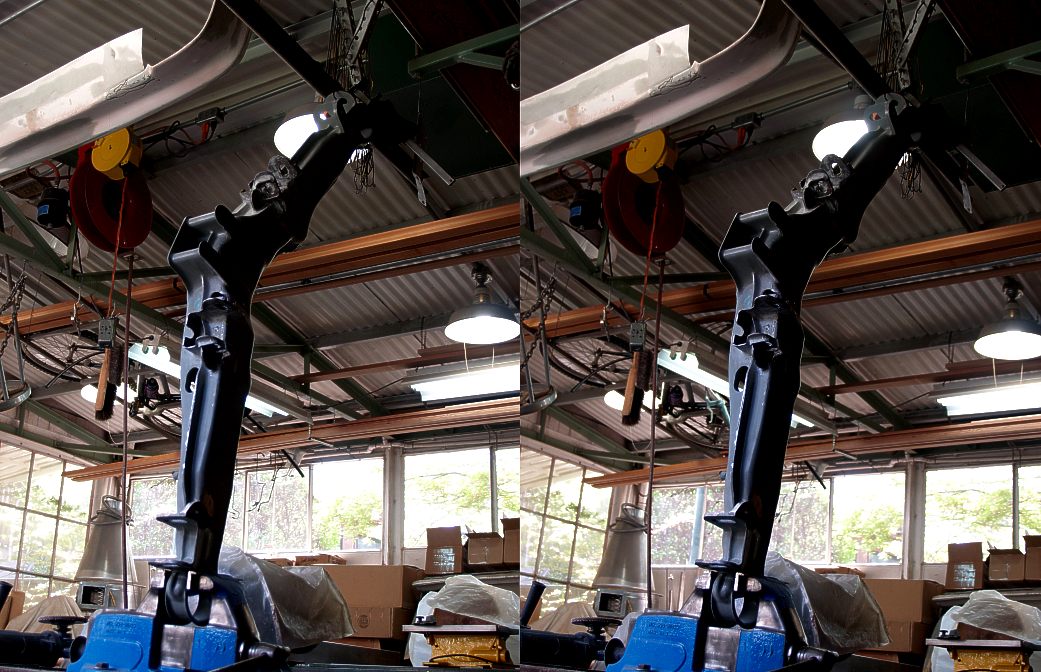
The thumbnail images below are linked to pages that have two images from the same scene
and side by side, for cross-eyed viewing. Personally, I believe the cross-eyed viewing
method is the easiest for most people to learn. I have never gotten the parallel viewing
method down. For those visiting this site for the first time I would suggest you read the
the instructions for the
"Dipapyri Method" for cross-eyed viewing of 3D stereographic images. Click an image for a large
stereographic view |
|
|
|
| Studio Hose and Drape San Leandro, CA 2014 |
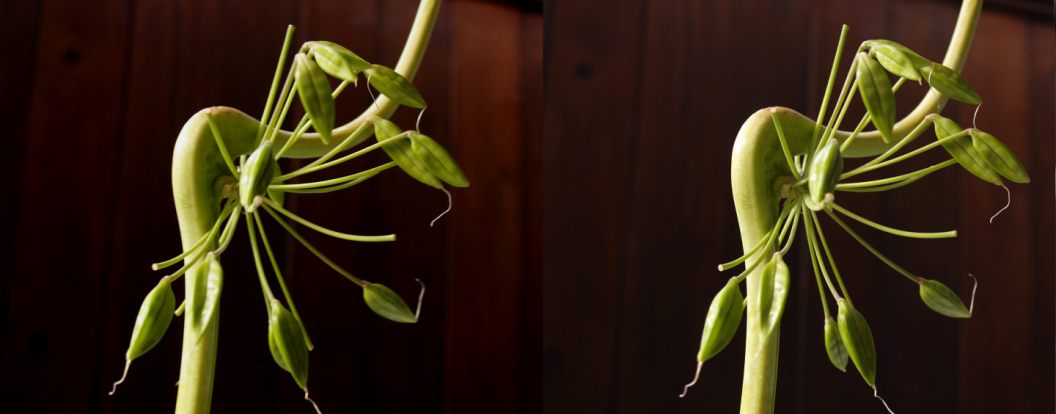
Window Cactus Flower San Leandro, CA 2014 |
13 X 12 San Leandro, CA 2013 |
 |
 |
 |
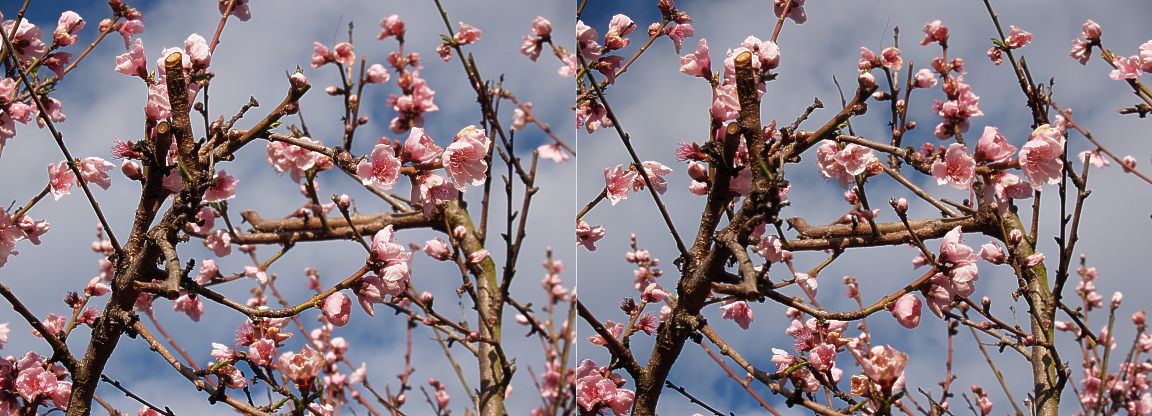
| Peach Blossoms San Leandro, CA 2013 |
Lily Pods San Leandro, CA 2013 |
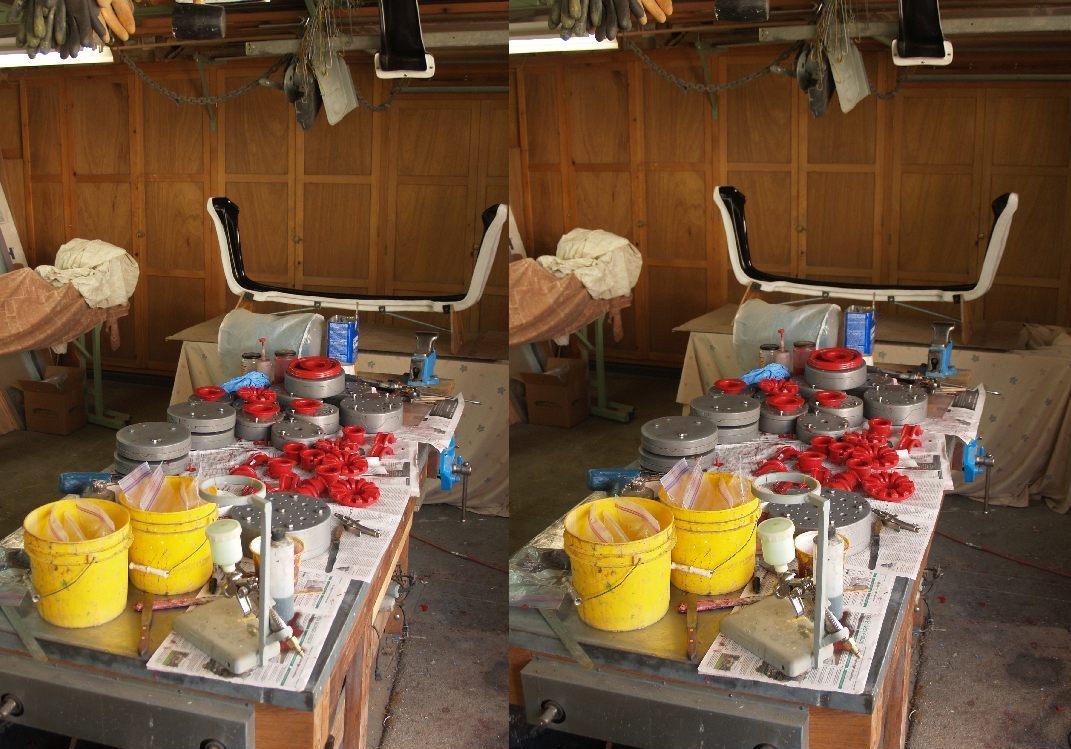
Red Polyurethan San Leandro, CA 2013 |
 |
 |
 |
| Cat Door San Leandro, CA 2013 |
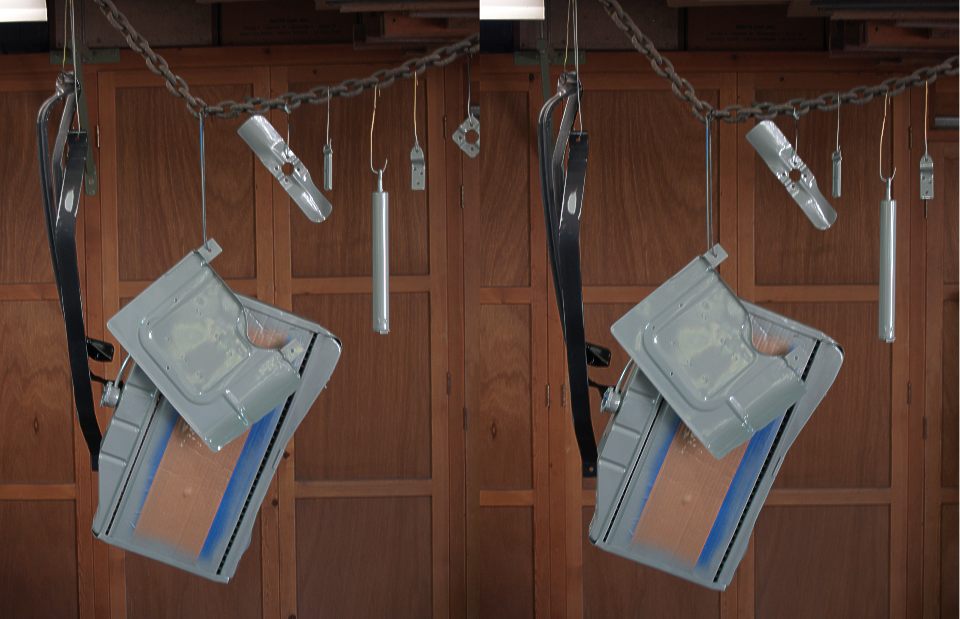
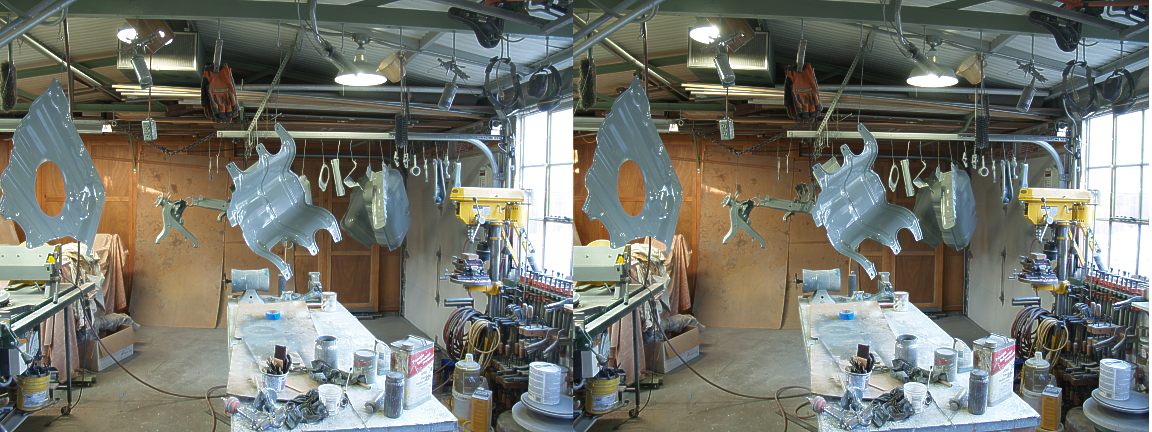
Hanging Parts San Leandro, CA 2013 |
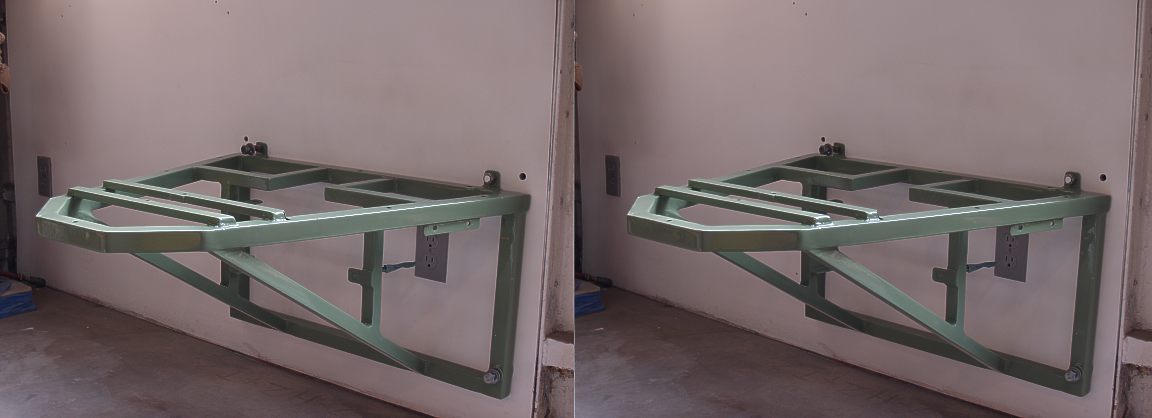
Potter's Wheel Frame San Leandro, CA 2012 |
 |
 |
 |
| The Studio San Leandro, CA 2012 |
Griffin
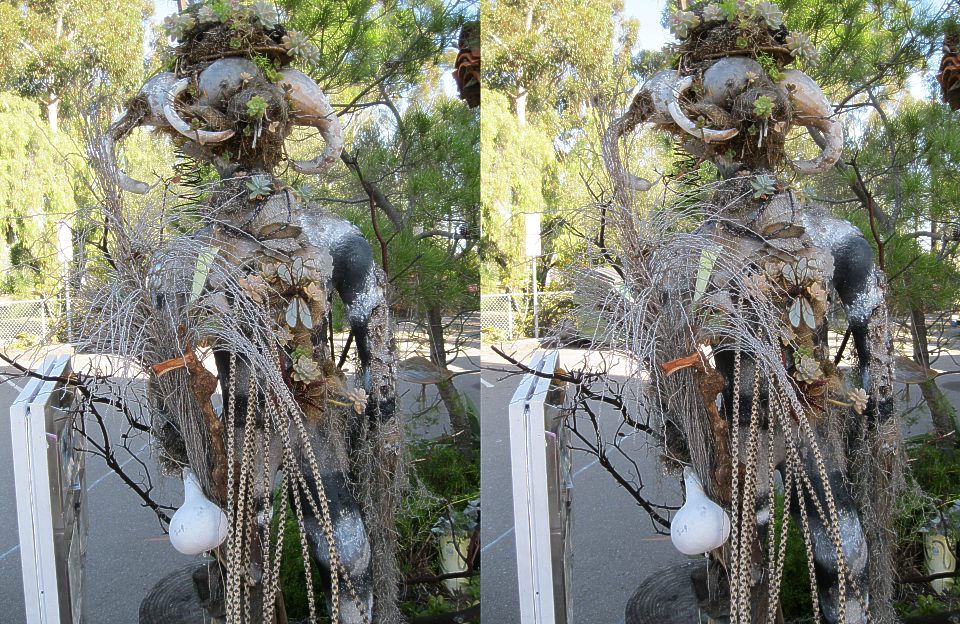
Park Effigy San Diego 2012 |
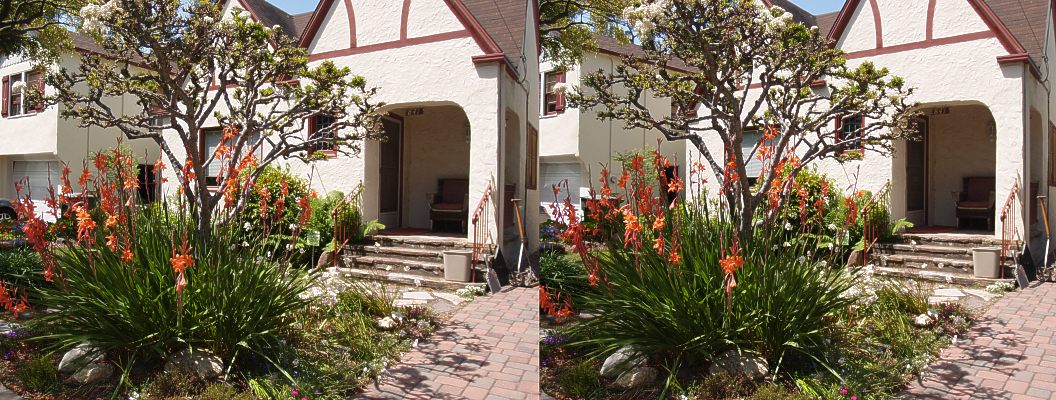
Front Yard 2012 San Leandro, CA 2012 |
 |
 |
 |
| Driveway Fire Spinner San Leandro, CA, 2012 |
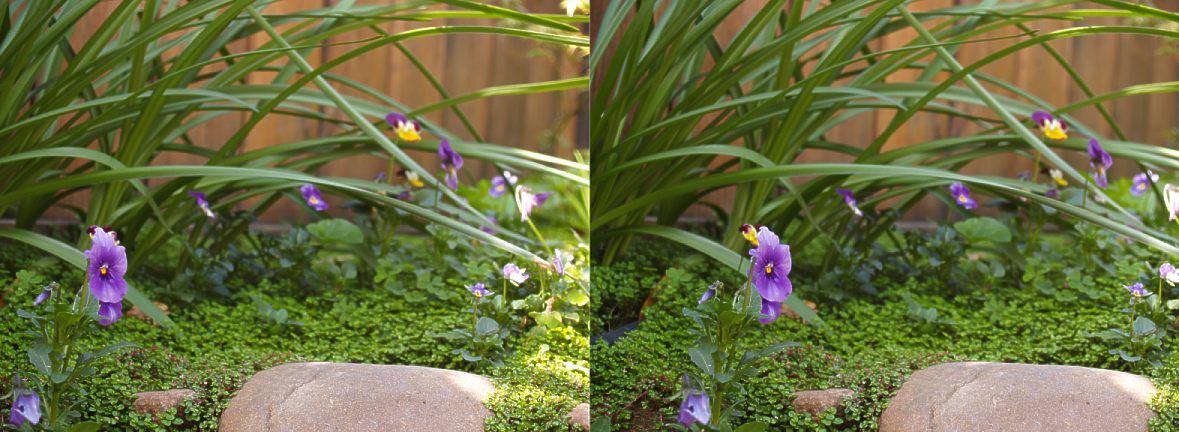
Jonny Jump Up San Leandro, CA, 2012 |
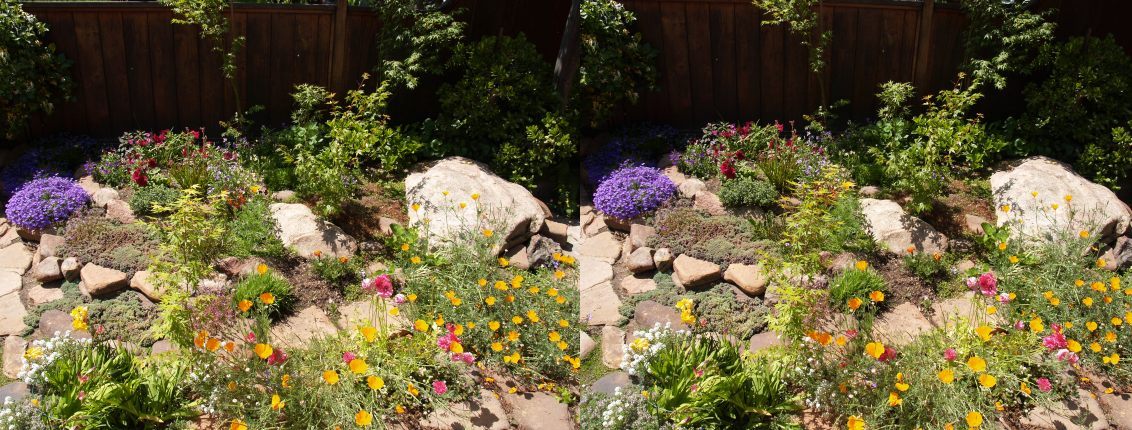
Back Yard 2012 San Leandro, CA, 2012 |
 |
 |
 |
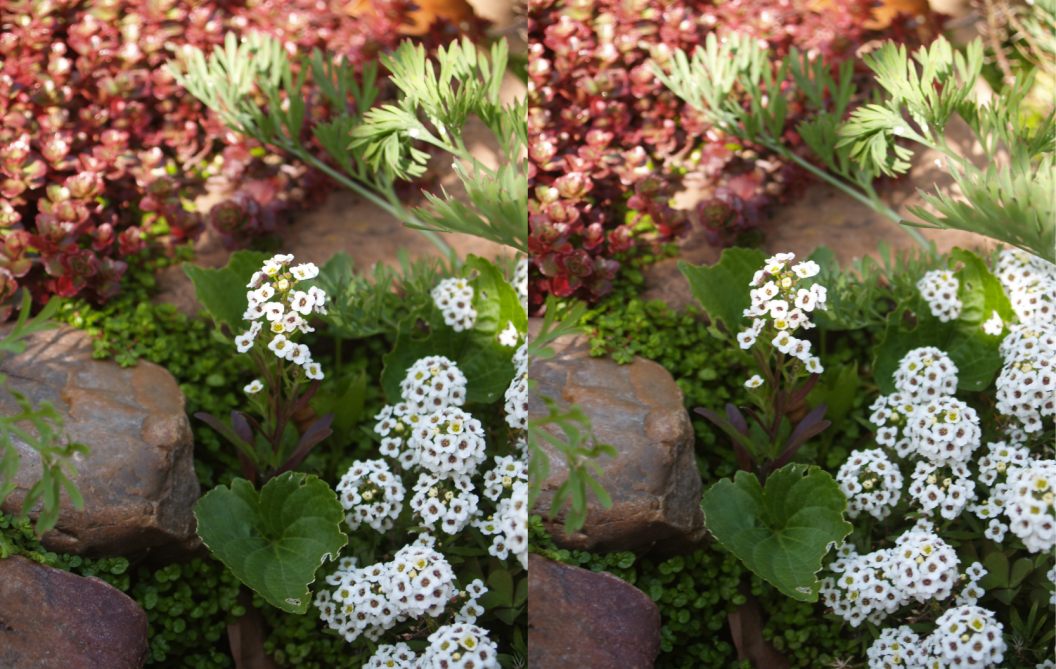
| Sweet Alyssum San Leandro, CA 2012 |
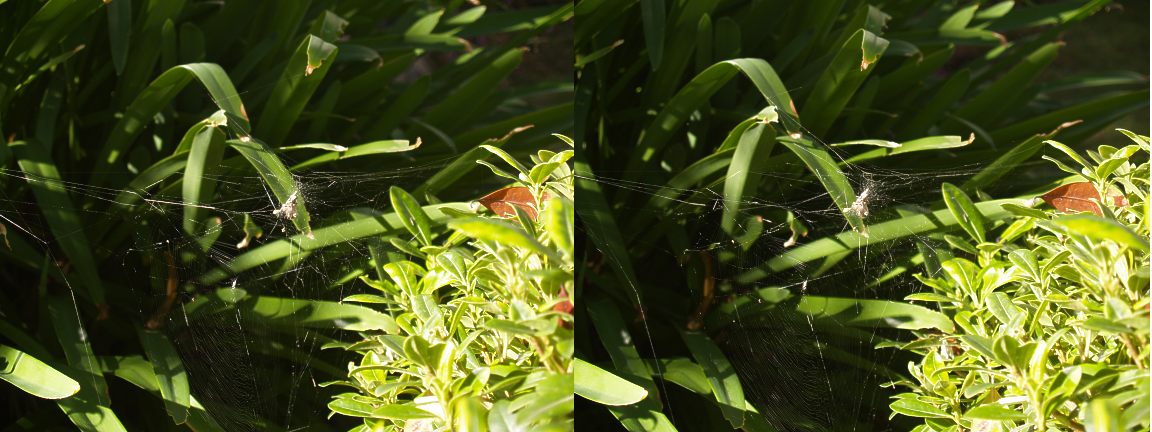
Spider Wed San Leandro, CA 2012 |
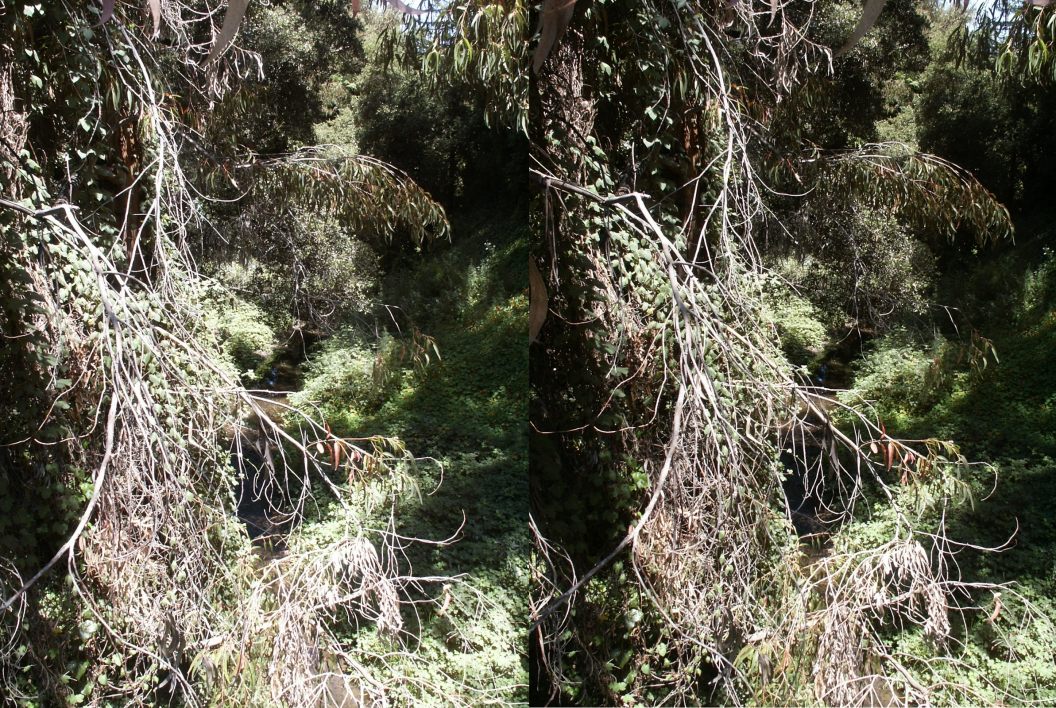
Dead Branch over San Leandro Creek 2010 |
 |
 |
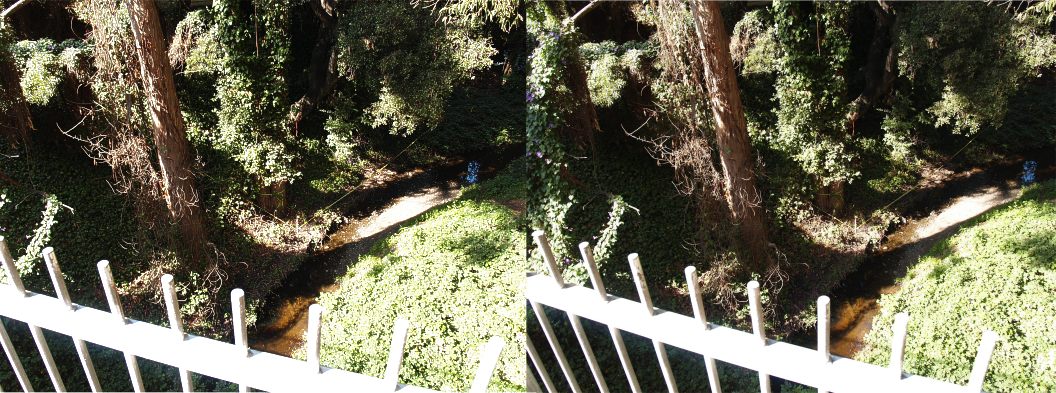 |
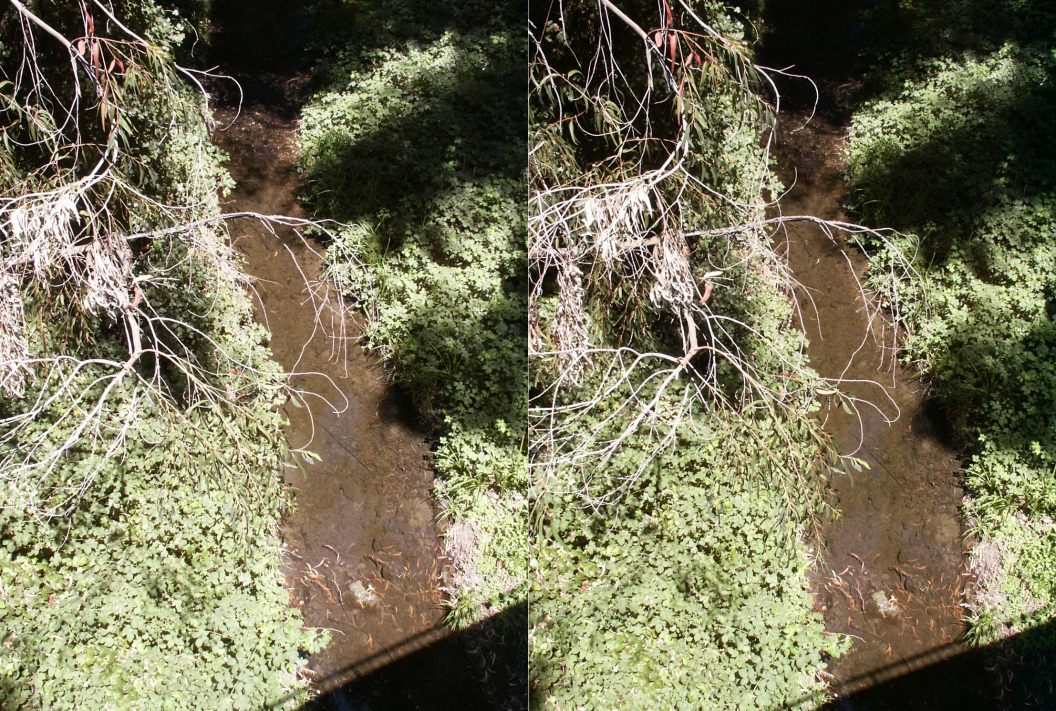
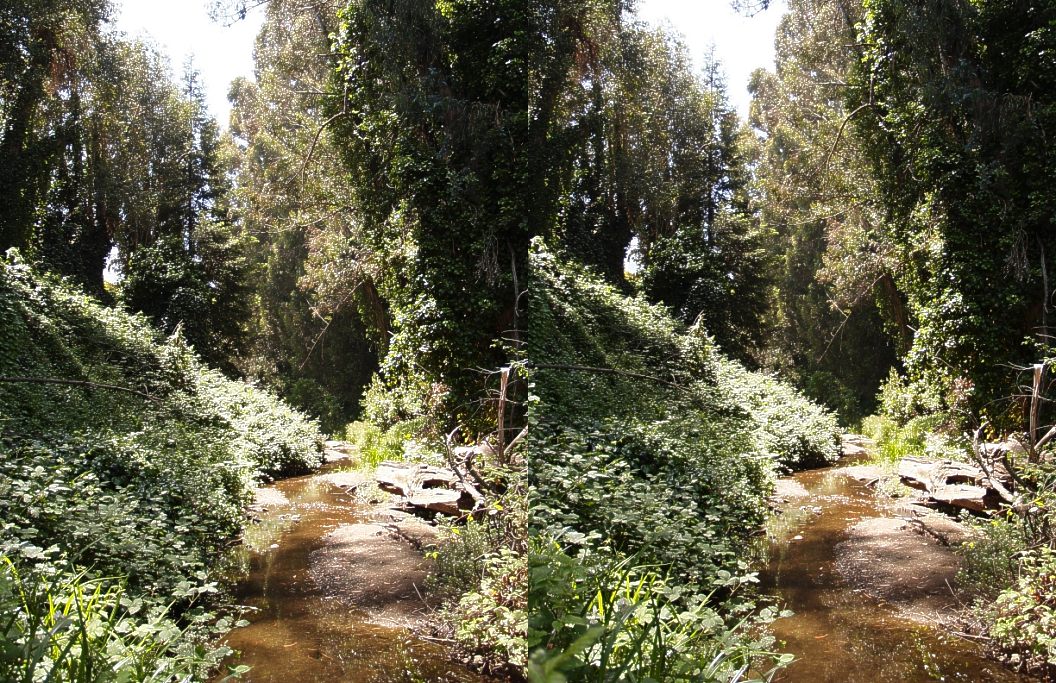
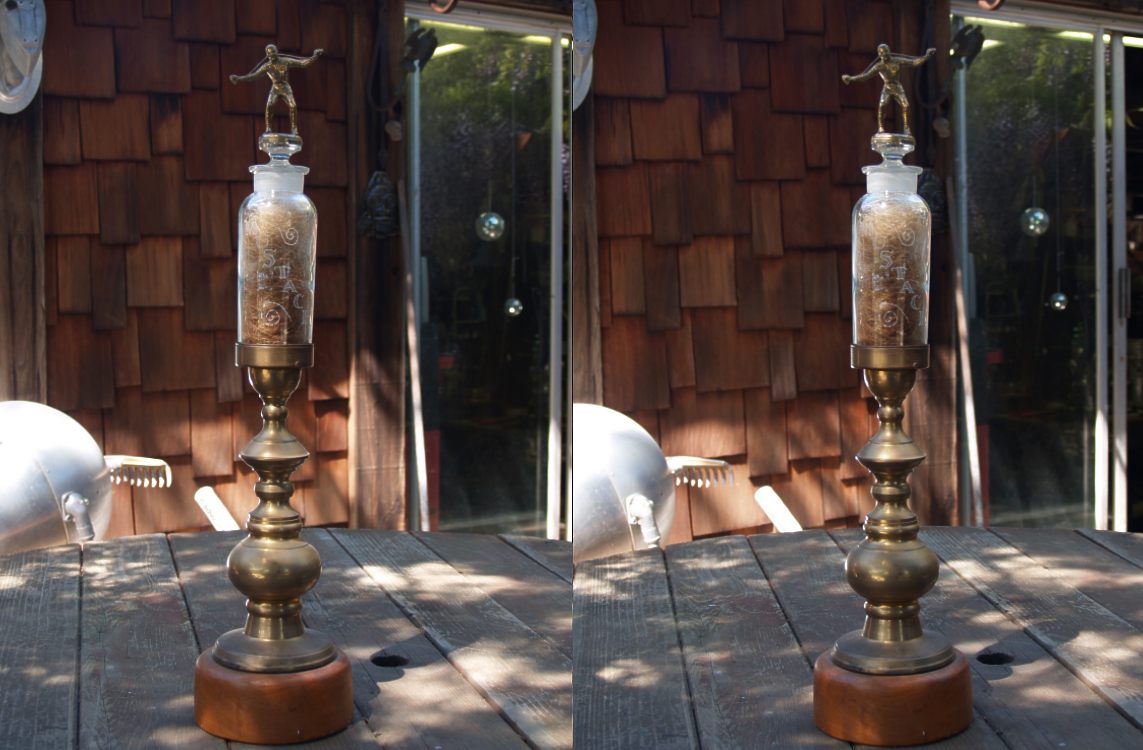
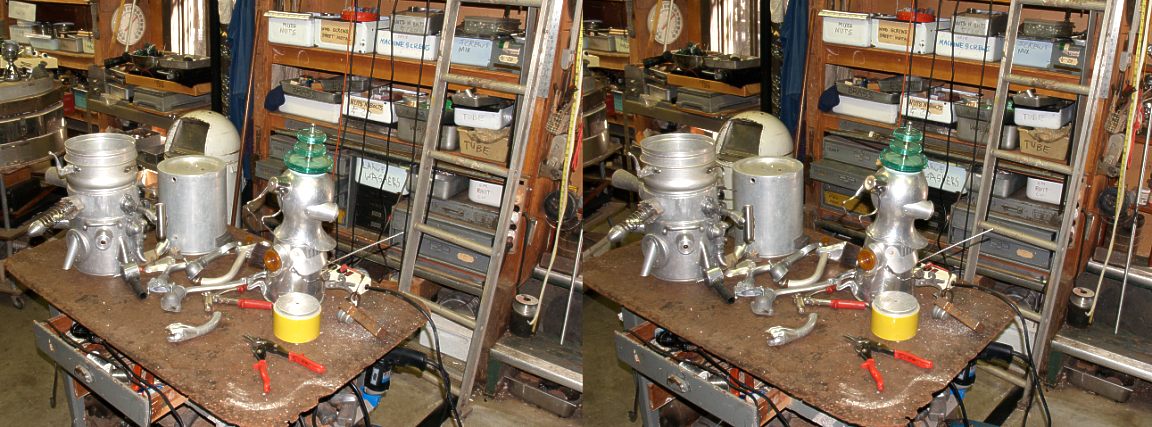
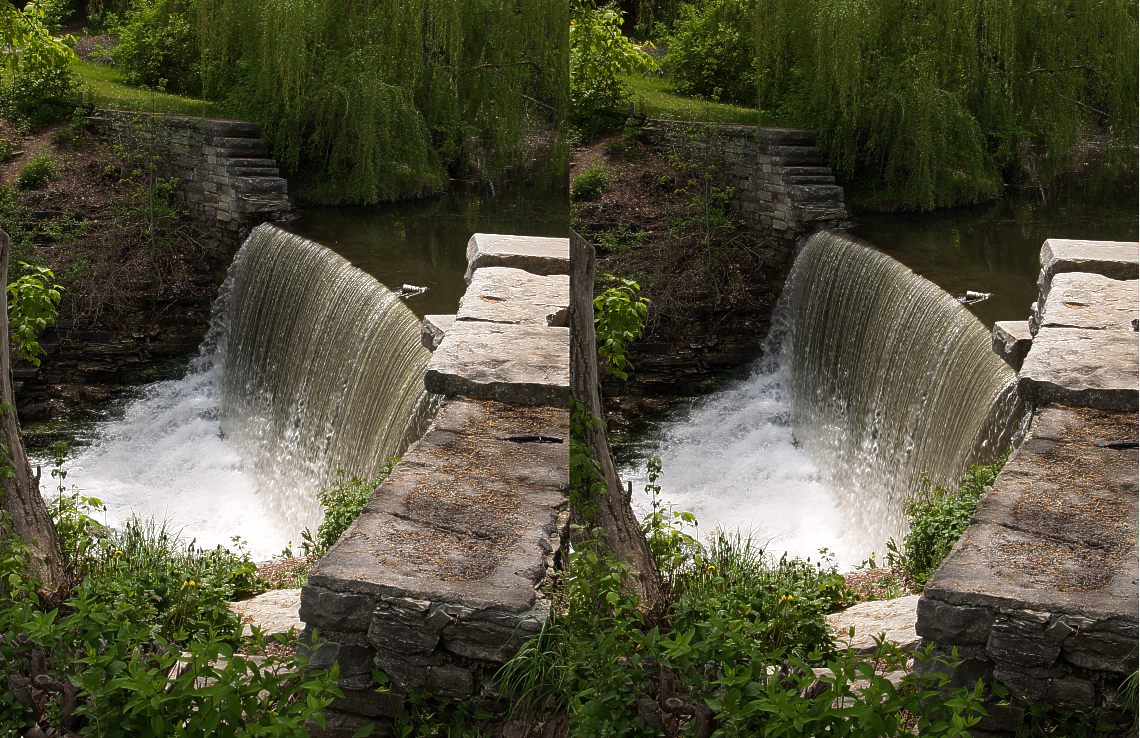
| San Leandro Creek at Hass and Cary 2010 | San Leandro Creek 5/30/2010 | Hass - Cary Foot Bridge San Leandro, CA, 2010 |
 |
 |
 |
| Clayton Bailey Mustache Award 2009 | Clayton Bailey's Studio Port Costa, CA, 2009 |
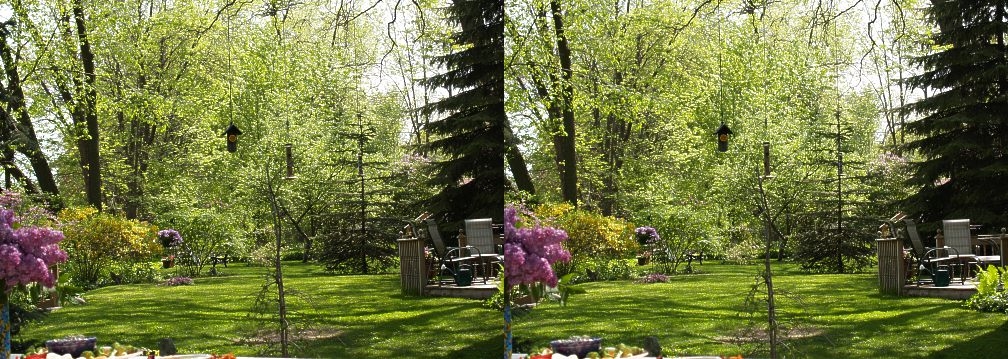
Water Fall Wisconson 2008 |
 |
 |
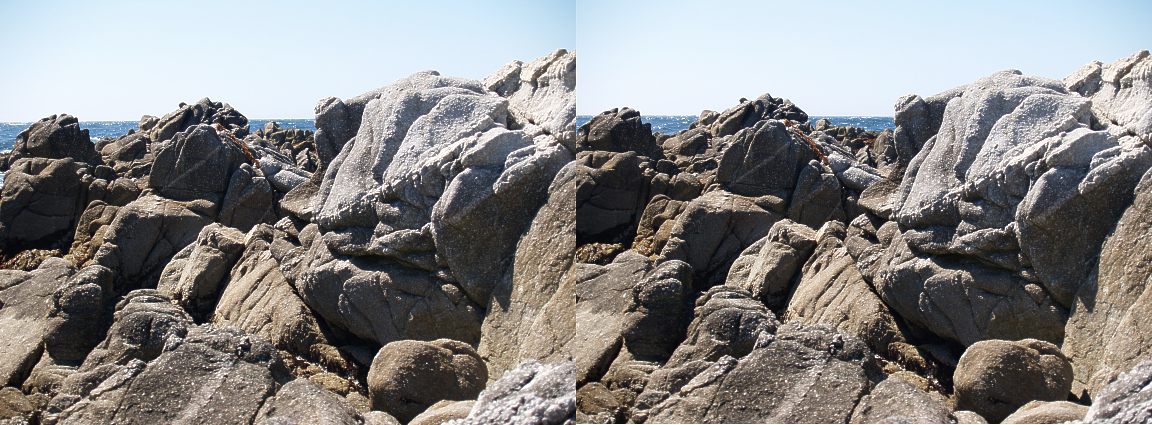 |
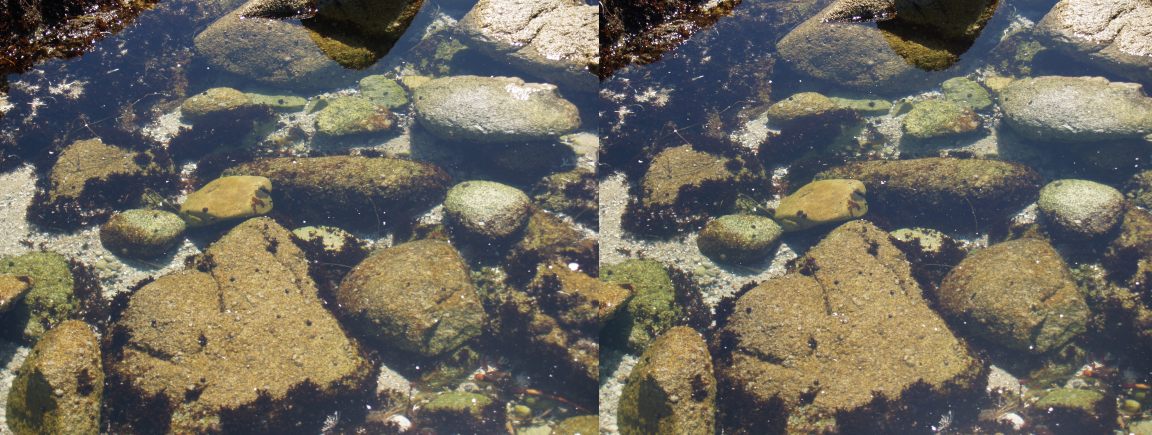
| View from Jim's Back Yard, 2008 | Carmel Tide Pool Pacific Grove, CA, 2008 |
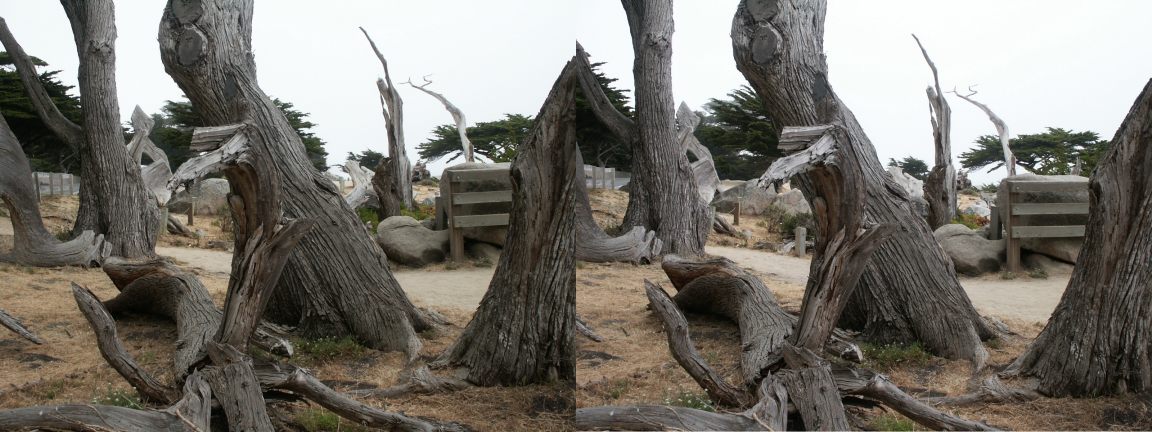
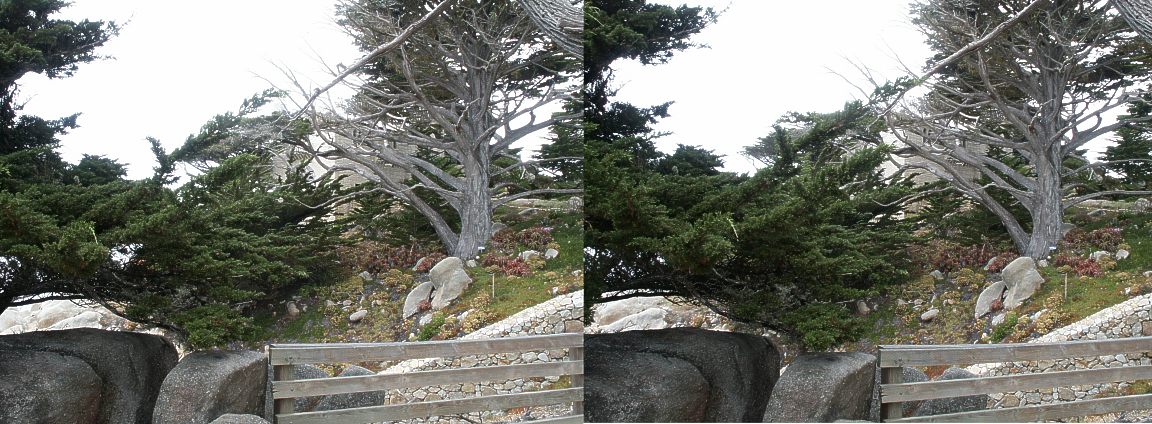
Carmel 2008 Pacific Grove, CA, 2008 |
 |
 |
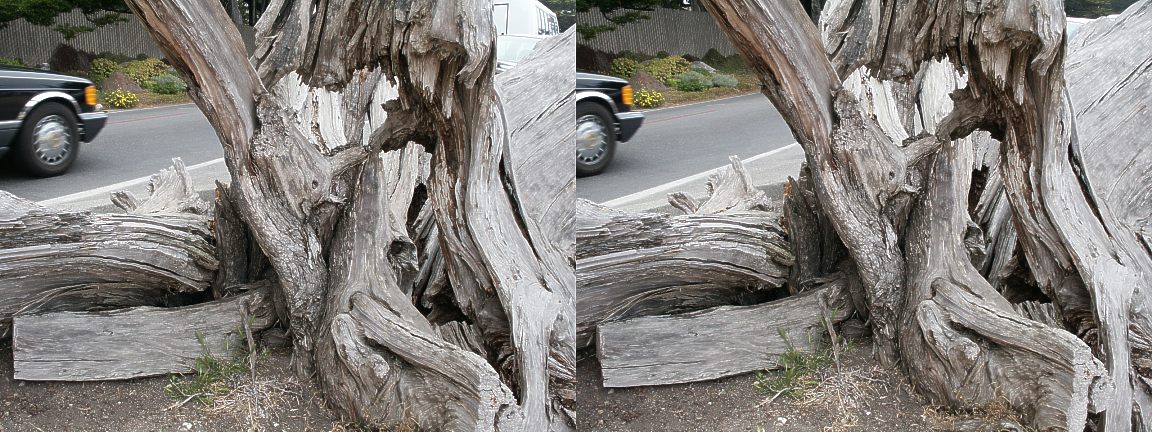 |
| 17 Mile Drive #1 Pacific Grove, CA, 2008 |
17 Mile Drive #2 Pacific Grove, CA, 2008 |
17 Mile Drive #3 Pacific Grove, CA, 2008 |
 |
 |
 |
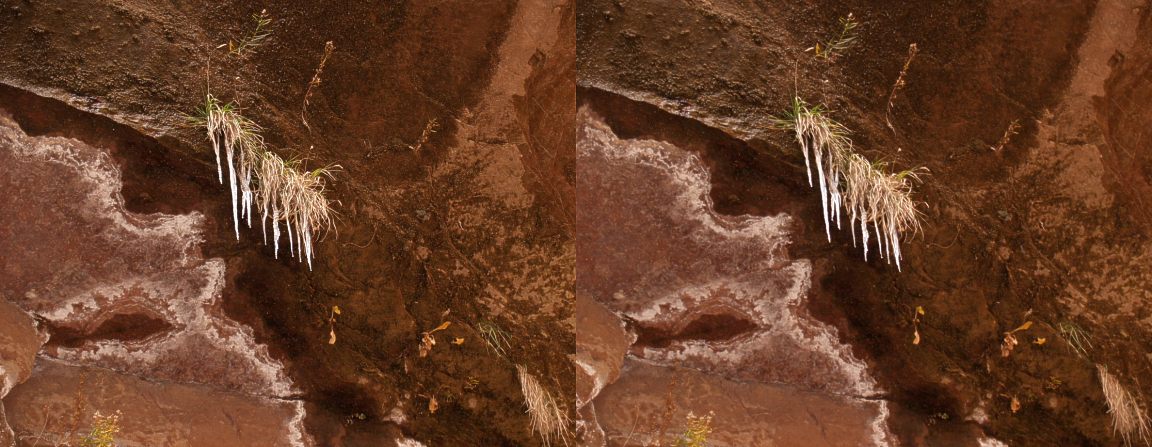
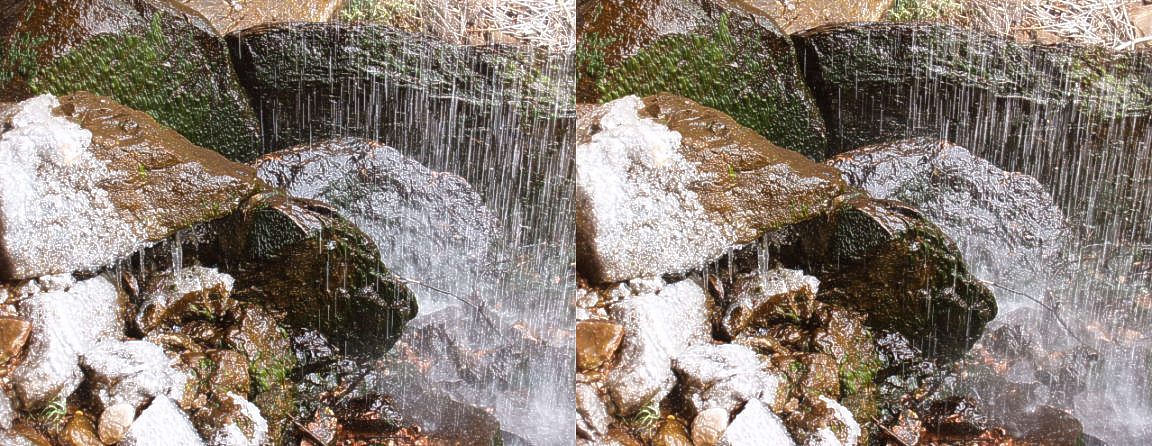
| Icicles and Grass Overhead Zion, Utah, 2007 | Water
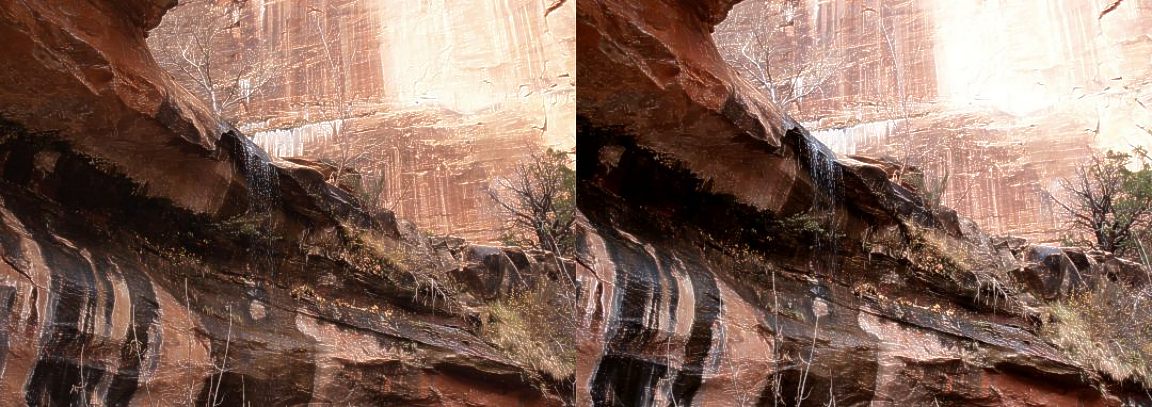
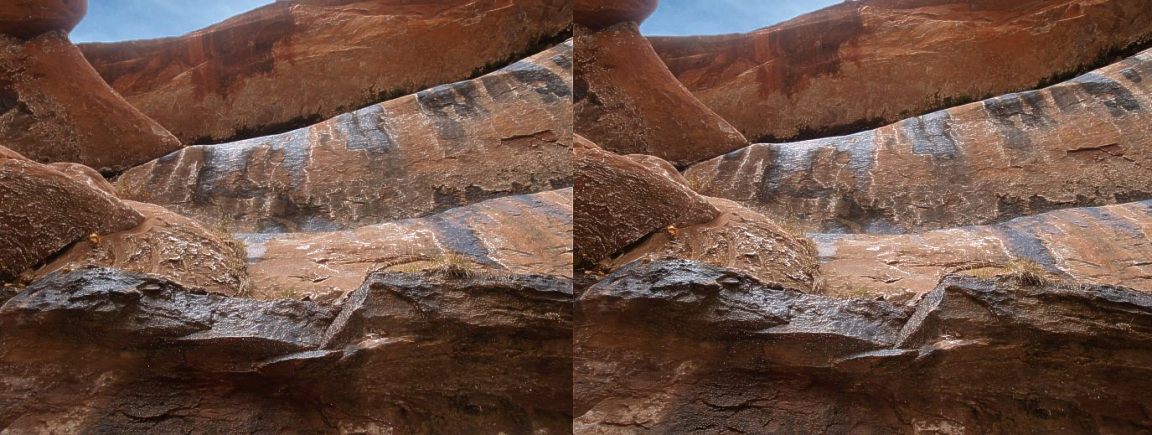
Over Rock #1 Zion, Utah, 2007 |
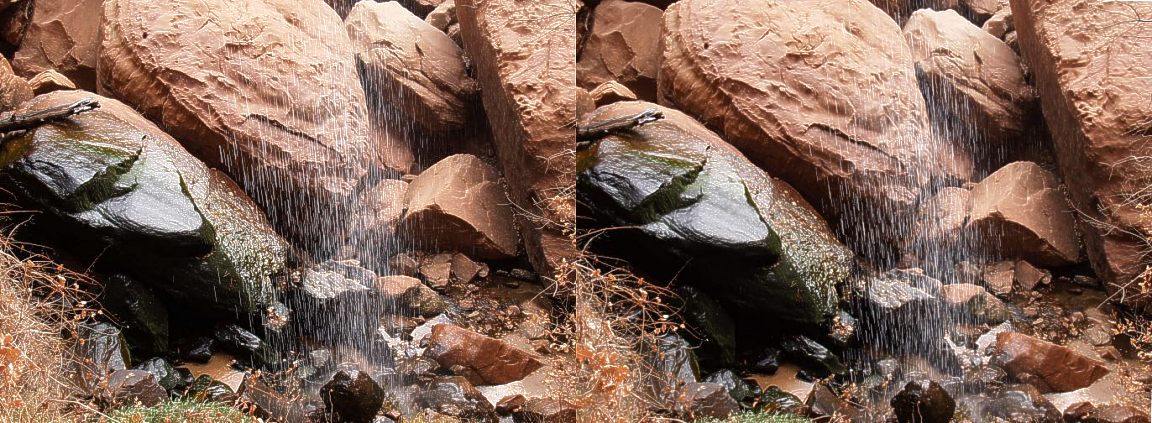
Water
Over Rock #2 Zion, Utah, 2007 |
 |
 |
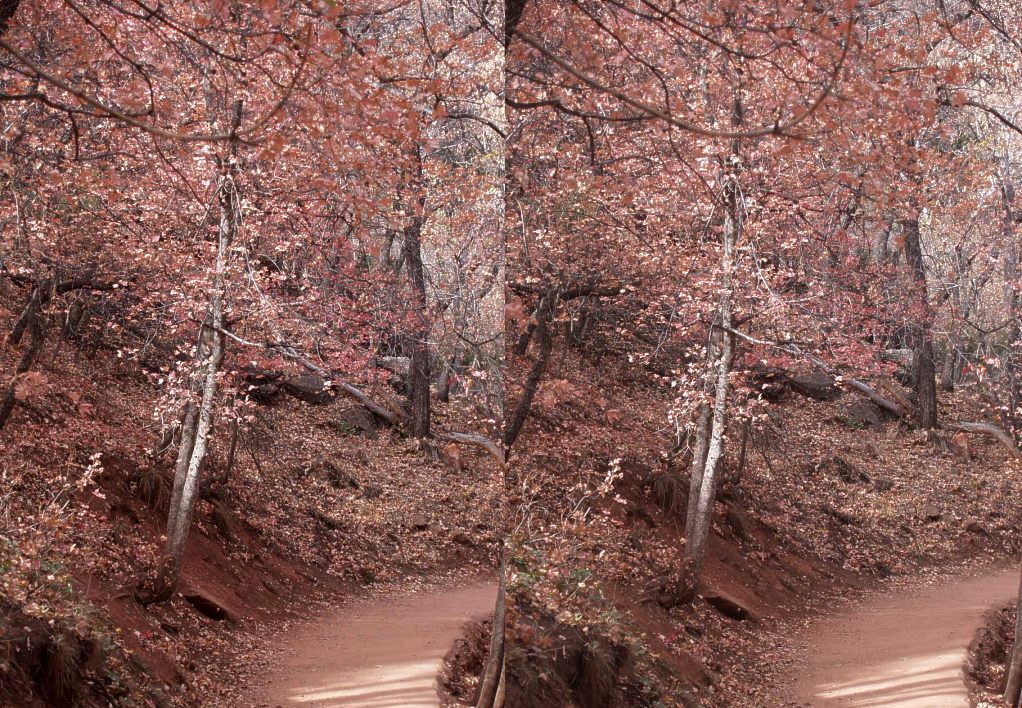 |
| Rocks, Water & Ice Zion, Utah, 2007 |
A Light Sprinkle Zion, Utah, 2007 |
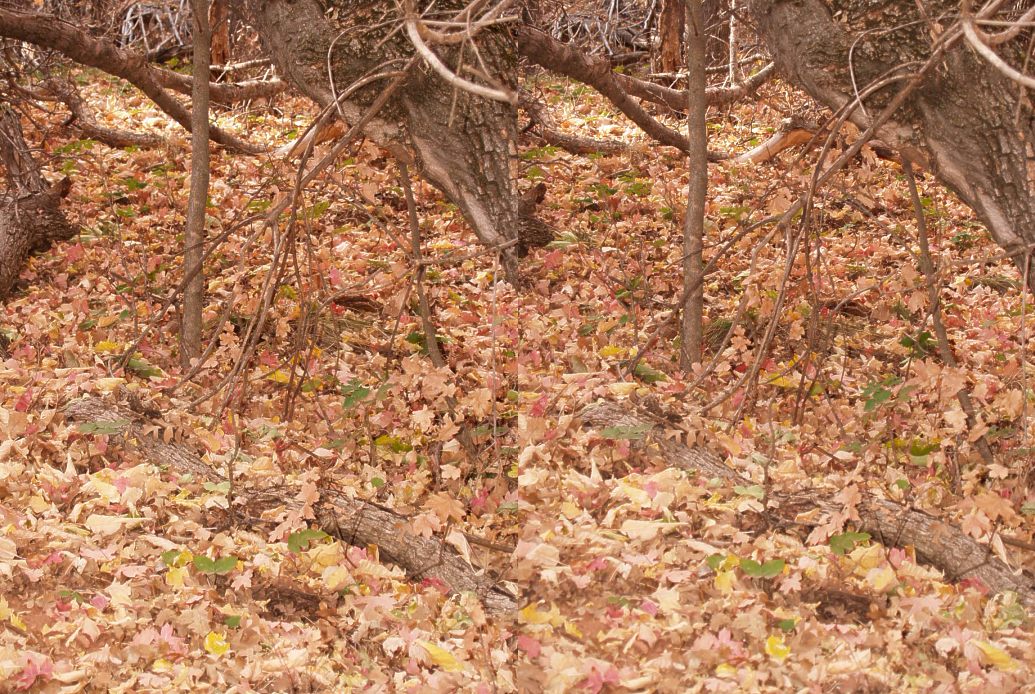
Emerald Pools Hike #1 Zion, Utah, 2007 |
 |
 |
 |
| Emerald
Pools Hike #2 Zion, Utah, 2007 |
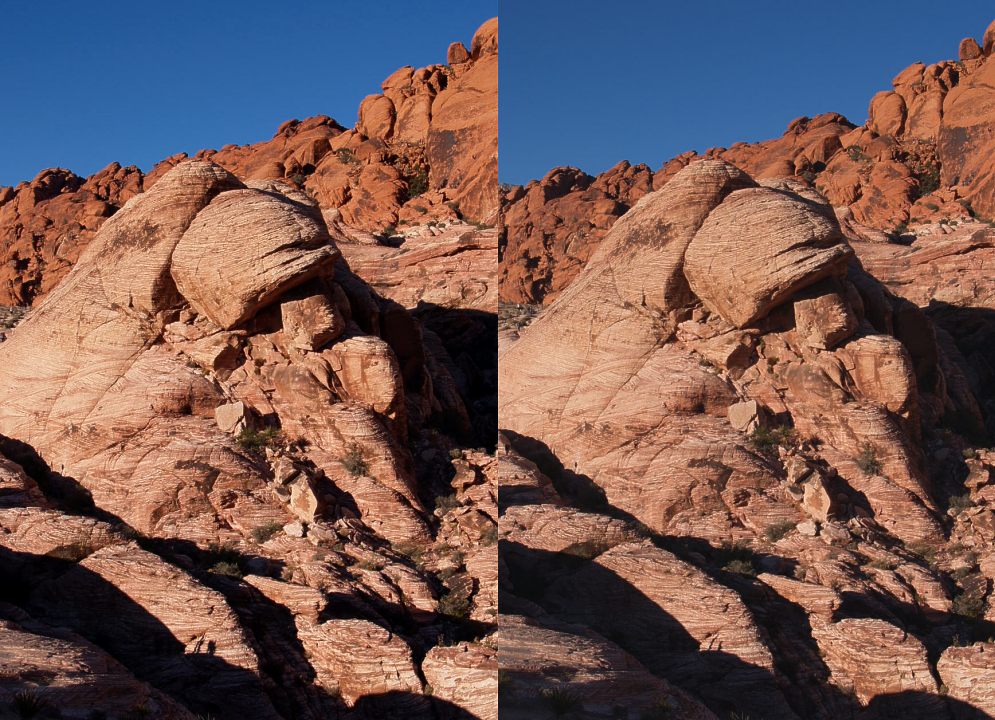
Red
Rock Park Las Vegas, NV 2007 |
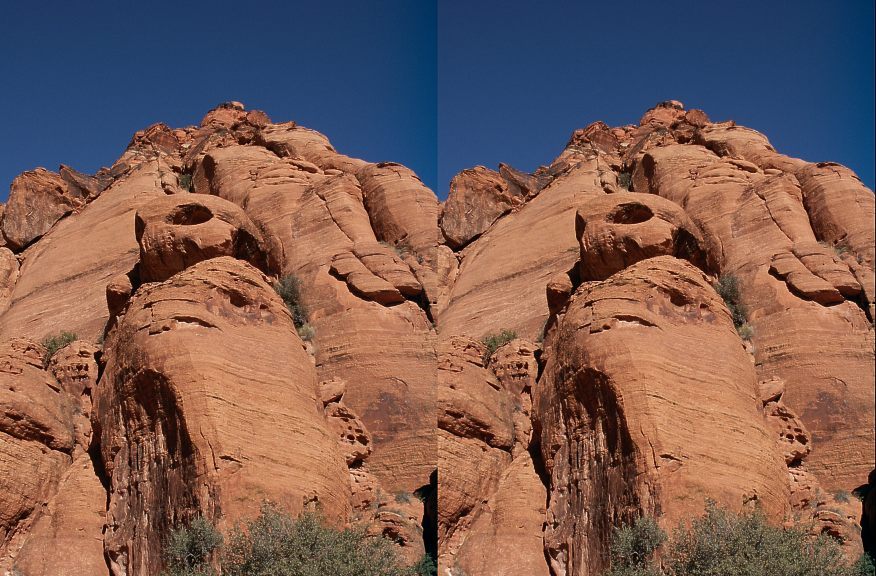
Red
Rocks Snow Canyon, Utah, 2007 |
 |
 |
 |
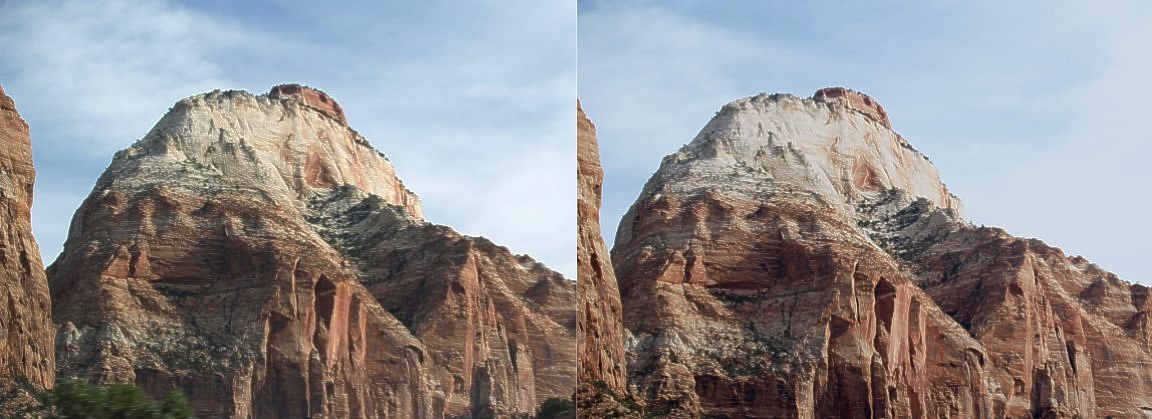
| V Cut Zion, Utah, 2007 |
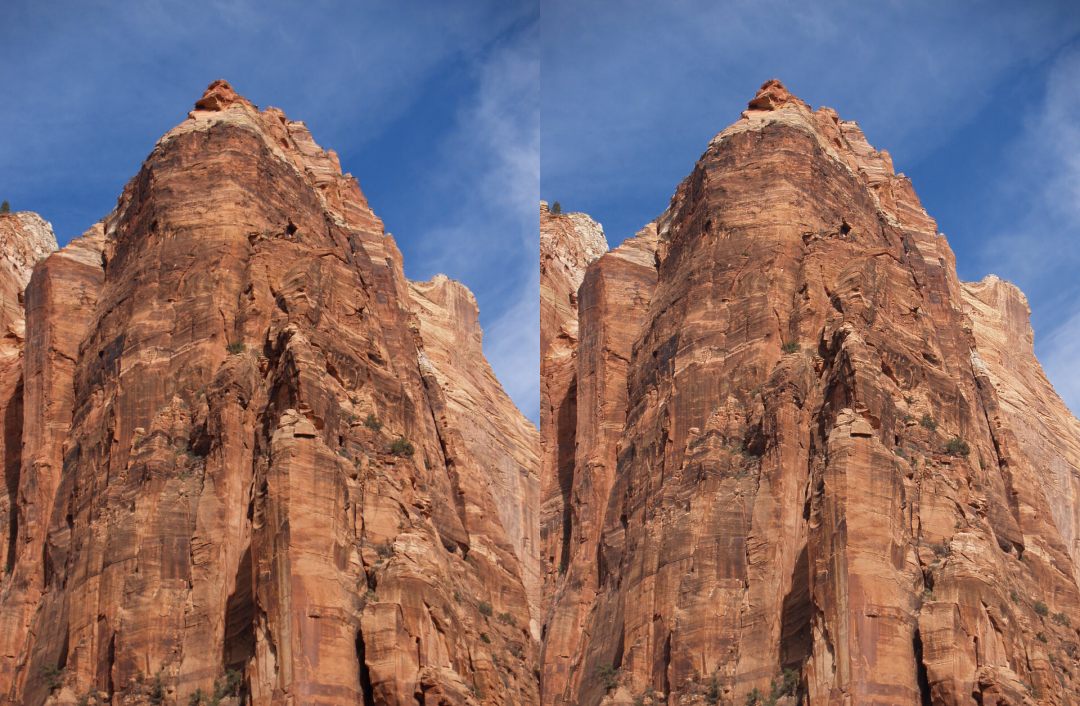
Tower
Rock Zion, Utah, 2007 |
Woods Lake #1 Eldorado National Forest, CA 2003 |
 |
 |
 |
| Woods Lake #2 Eldorado National Forest, CA 2003 |
300ZX Suspension Part San Leandro, CA, 2003 |
Suspension & Vice San Leandro, CA, 2003 |
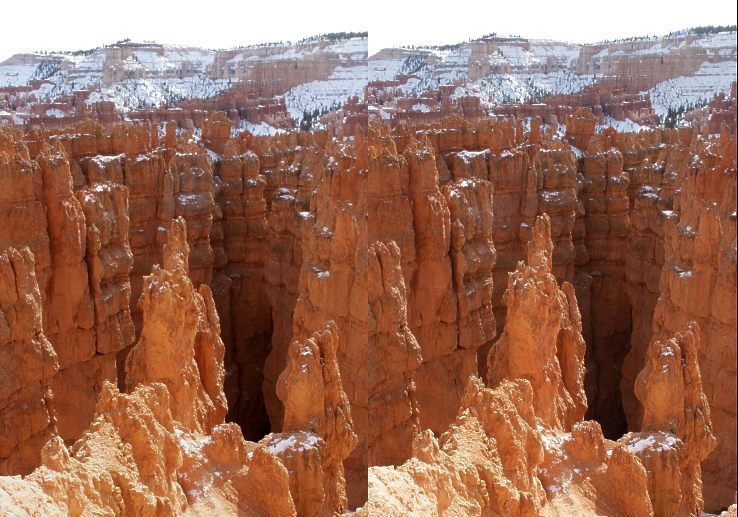 |
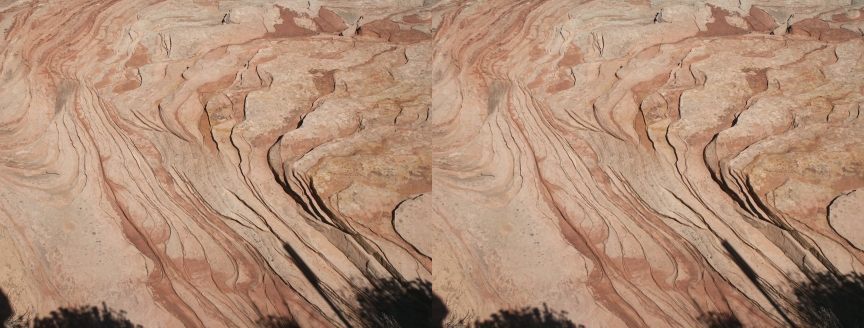 |
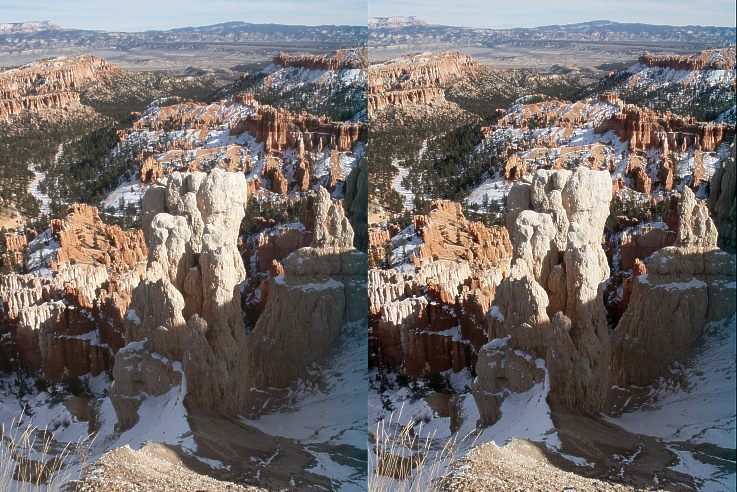 |
| Sunset
Point Bryce, Utah, 2001 |
Zion
Scales Zion, Utah, 2001 |
Sunrise
Point Bryce, Utah, 2001 |
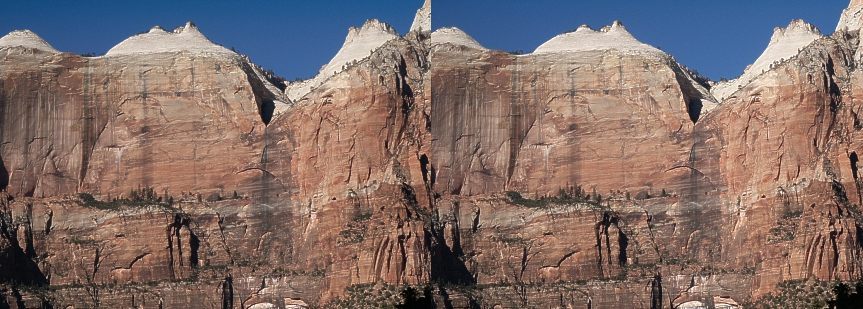 |
 |
 |
| Zion
Cliff Zion, Utah, 2001 |
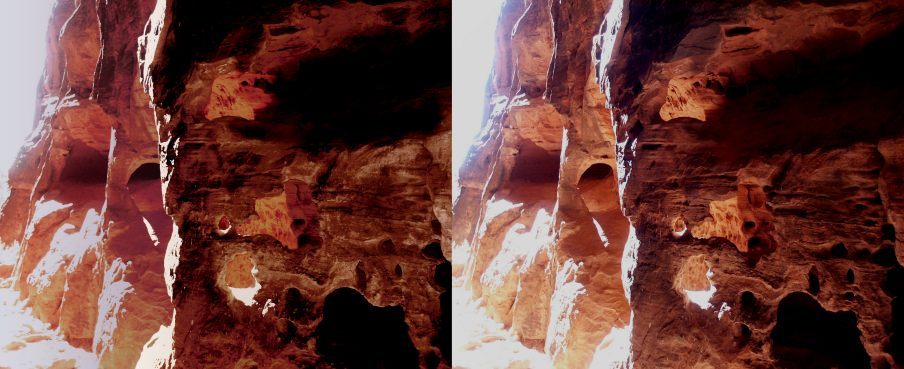
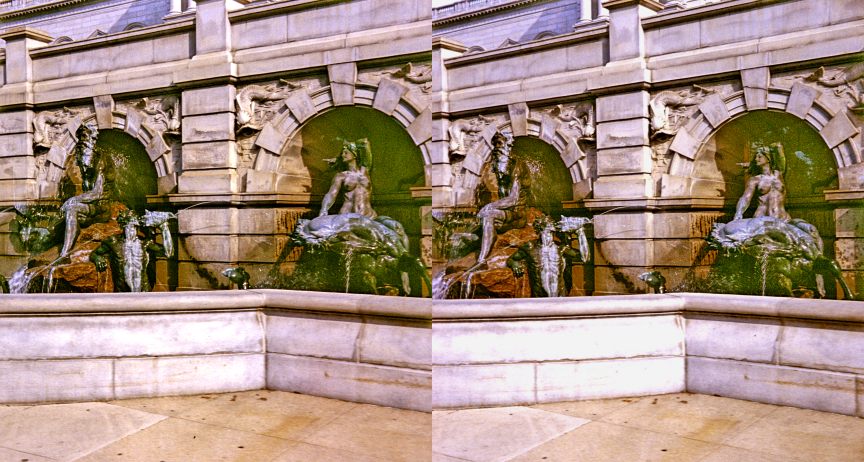
Slot Cave, Snow Canyon, Utah, 2001 | Neptune
Fountain Washington, DC. |
 |
 |
 |
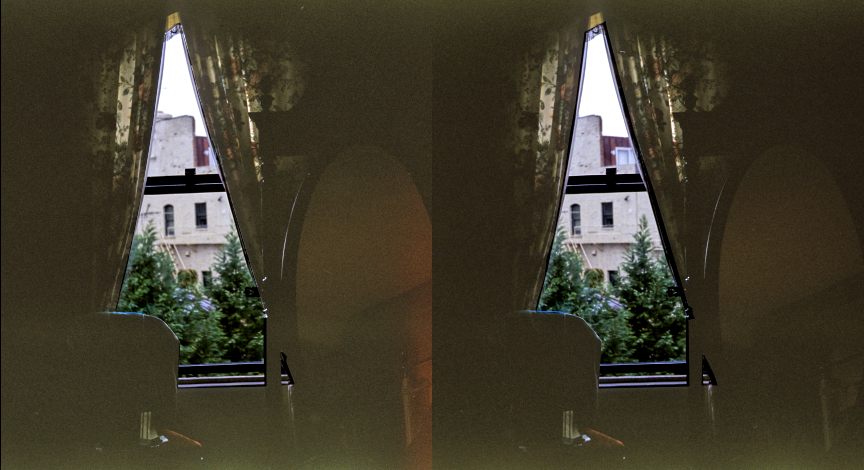
| B &
B Inn Washington, DC. |
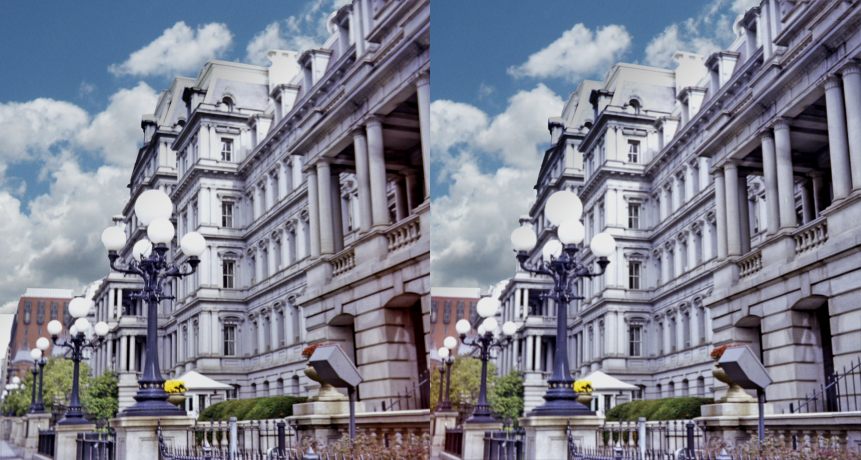
Vice
President's Office Washington, DC. |
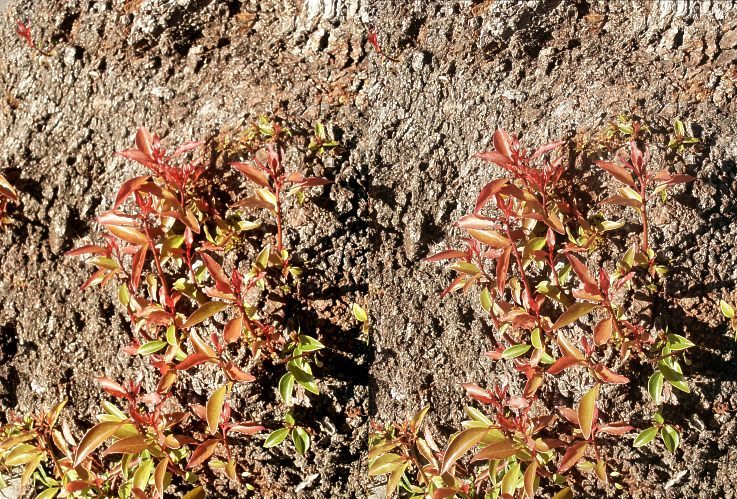
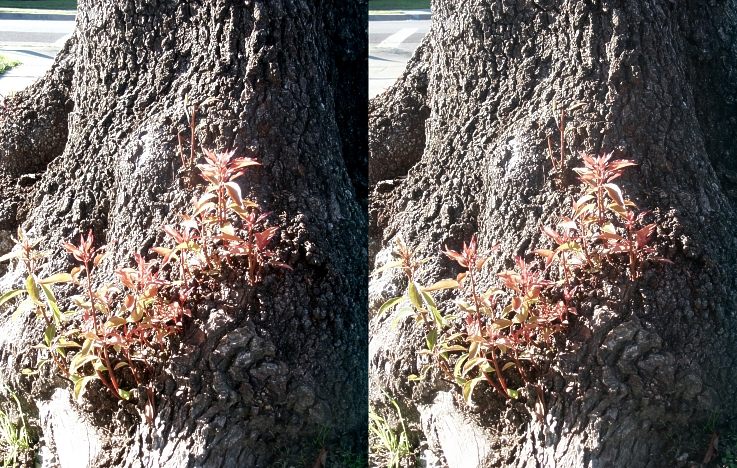
Comphor
Sprouts San Leandro, CA 2001 |
 |
 |
 |
| Comphor
Burl San Leandro, CA 2001 |
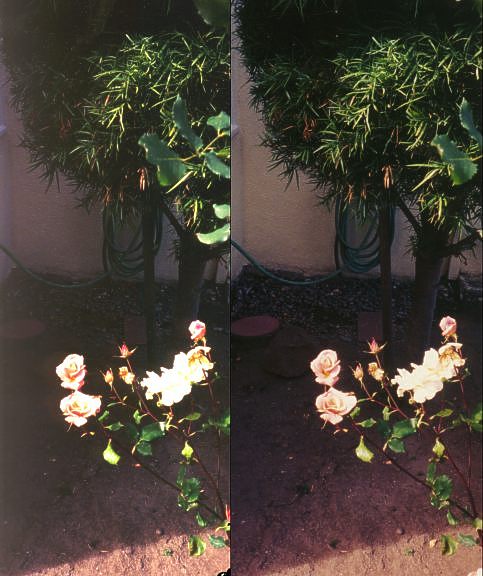
Neighbors
Garden San Leandro, CA 2001 |
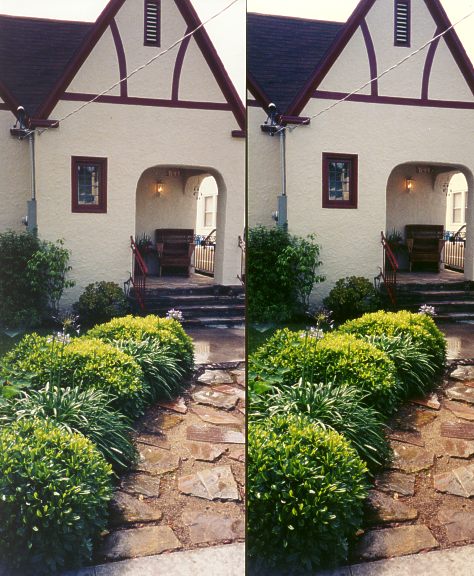
Home San Leandro, CA 2001 |
The group of four images at the bottom are my first attempts
at making stereographic photography without the use of a camera designed specifically for
stereographic work. I taped two disposable cameras together, base to base with their
lenses in the same horizontal plane. This method works fairly easily but variations in
processing of the separate film strips causes some color and value problems. I take a more sculptural approach to my photography than more traditional ("old-school") photographers. I see it as just another media for manipulation. Take the above "The Vice Presidents Office"; it was shot on a bright overcast day. the tops of the building washed out into a white nondescript sky. I did some transparent overlay to enhance the roof top and added contrast. Adding the blue sky and clouds made the building pop out a little more.I did some of the same manipulation to the "B & B Inn" to reveal some of the hidden detail inside the room and increased the contrast to allow the exterior scene to pop a little more. "Fountain" is pretty much seen as it was shot, except for a little more contrast. Of interest is, this shot was taken from inside a tour bus and some window reflection artifacts can be seen. I have not used the Stereo Realist that much as the process requires the use of a light meter and a complicated nine (9) step process for taking pictures. This camera is antiquated in its use compared to point and shoot digital cameras. My original purpose for stereographic photography was to be able to photograph my ceramic sculpture. The "2003 Utah" group of six
were shot using a Minolta
Dimage S304. The fifth group of ten were taken
using a Olympus Evolt E-300
using the same side by side process as used with the Minolta. I have owned two of the
Dimage S304s. The first one drown when I fell while fishing in an Alaskan river and the
second bought the farm when it fell off a work bench in my studio. I have since
bought a Mission3D
"Photo3D" sliding camera mount, however, it requires the use of
a tripod. For a staged photo this works very well but on a hike, I'm not about to lug a
tripod around. |
Ceramic Sculpture Sculpture 2D Images Event Based Conceptual Works Digital Sculpture
Art Cups Photography Stereographic Gallery Stereographic Ceramics HOME
Thoughts on Knowing Nothing Utility Knife Gallery The Mind Factory Goodbye!
 |
Art site of Gary
Molitor: Bay Area Art History, California |
Sculpture, Art, Ceramics, Art Cups, Drawings, Sci-Fi, 3D, Computer Art, Personal Life Stories, Stereographic, Ceramic Sculpture,
Art, Ceramics, Art Cups, Drawings, Sci-Fi, 3D, Computer Art, Personal Life Stories, Stereographic, Ceramic artist